

 Skip to content


When exploring vitamin B3 supplements or skincare products, you may encounter niacin, nicotinamide, and niacinamide. While they are related, their functions and uses differ. In this article, we explain these differences to help you choose the right form of vitamin B3 based on your needs.
What is Niacin?
Niacin, also known as nicotinic acid, is a form of vitamin B3 commonly used for cardiovascular health. It’s effective in managing cholesterol levels, lowering LDL cholesterol also known as the ‘bad’ cholesterol, and raising HDL cholesterol known as the ‘good’ cholesterol. Due to these benefits, niacin is often prescribed for individuals at risk of heart disease.
Niacin Flush: A common side effect of niacin is known as “flush,” where the skin becomes red, warm, and tingling due to blood vessels expanding. This reaction is temporary, lasting from a few minutes to half an hour.
What is Nicotinamide?
Nicotinamide is another form of vitamin B3 that does not cause the flushing effect seen with niacin. It serves as a precursor to NAD+ (nicotinamide adenine dinucleotide), a molecule vital for energy production and cellular health. Nicotinamide helps convert nutrients into energy, supports DNA repair, and maintains cell functions, which can contribute to longevity and healthy aging.
What is Nicotinamide Used for?
Nicotinamide is frequently used in supplements designed to boost NAD+ levels and promote overall cellular health. Its anti-inflammatory properties also make it valuable in products aimed at supporting metabolic health and reducing inflammation.
The study from MDPI Metabolites delves into the effects of nicotinamide mononucleotide (NMN) on boosting NAD+ levels in both preclinical and clinical settings. It highlights NMN’s potential to elevate NAD+ concentrations, positively influencing metabolic health and supporting longevity. Additionally, the study confirms the safety profile of NMN supplementation, reinforcing its suitability as an NAD+ precursor.
For a detailed read, you can access the full study here.
Key benefits of nicotinamide include:
- Boosting energy production through NAD+ synthesis
- Supporting cellular repair and maintenance
- Helping counteract age-related cellular decline
What is Niacinamide?
Niacinamide is chemically identical to nicotinamide but is primarily mentioned in the context of skincare. Though they are the same compound, niacinamide is often used for its specific effects on skin health and texture.
What is the Function of Niacinamide?
In skincare, niacinamide is valued for its ability to:
- Improve skin texture and elasticity
- Reduce redness and inflammation
- Strengthen the skin barrier, helping retain moisture and protect against environmental damage
A recent trial from March 2024 in MDPI highlighted niacinamide’s role in reducing skin inflammation and improving skin elasticity when applied topically, further validating its efficacy in skincare products.
These properties make niacinamide a common ingredient in products treating conditions such as acne, rosacea, and other skin-related concerns.
Niacin vs. Nicotinamide vs. Niacinamide Supplements
Niacin, nicotinamide, and niacinamide are all forms of vitamin B3 but are used differently. Below is a comparison table highlighting their distinct uses:
| Type | Main Uses | Side Effects |
|---|---|---|
| Niacin | Cholesterol management, cardiovascular health | Can cause “flush” (redness and tingling) |
| Nicotinamide | Cellular health, longevity, anti-inflammatory support | Generally well-tolerated, no “flush” |
| Niacinamide | Skincare: reduces redness, improves texture, strengthens barrier | No significant side effects |
Nicotinamide Supplementation
Nicotinamide is often included in supplements that target overall health, energy levels, and longevity. It’s especially popular among those seeking to boost NAD+ levels for improved cellular function and reduced risk of age-related health issues.
Common Nicotinamide Supplements:
- NAD+ boosters
- Anti-aging formulas
- Metabolic health products
Nicotinamide supplements are suitable for those looking to enhance energy production and support the body’s natural repair processes.
Niacinamide Supplementation
Though it is chemically identical to nicotinamide, niacinamide is mostly found in topical skincare products rather than oral supplements. It’s included in a variety of formulations such as serums, creams, and anti-inflammatory treatments.
Common Uses of Niacinamide in Skincare:
- Serums for improving skin texture and elasticity
- Creams for reducing redness and inflammation
- Topical treatments for acne and rosacea
Niacinamide products are ideal for individuals who want to address skin health, enhance skin barrier function, or seek anti-aging benefits through skincare.
Nicotinamide vs. Nicotinamide Riboside (NR)
Nicotinamide Riboside (NR) is another derivative of vitamin B3 and also serves as a precursor to NAD+. Both nicotinamide and NR support NAD+ production, but NR is often marketed as a more efficient option. However, it tends to be more expensive and less accessible compared to nicotinamide.
| Type | NAD+ Boosting Efficiency | Availability |
| Nicotinamide | Effective and widely available | More affordable, found in many supplements |
| Nicotinamide Riboside (NR) | Potentially more efficient | More expensive, found in select formulas |
While both are beneficial, nicotinamide is usually the more accessible and cost-effective choice.
Are Nicotinamide and Niacinamide Safe?
Both nicotinamide and niacinamide are generally considered safe when used as directed in either supplements or skincare products. They are well-tolerated with minimal risk of side effects.
Both nicotinamide and niacinamide are generally considered safe when used as directed in supplements or skincare products. They are well-tolerated with minimal risk of side effects.
A 2023 study published in the Journal of Biomedical Science demonstrated that nicotinamide effectively boosts NAD+ levels without causing significant side effects, making it a safe option for cellular health supplementation. Additionally, research on niacinamide in Drug Delivery and Translational Research confirmed its safety in skincare, showing positive effects in reducing skin inflammation and improving elasticity.
Related: NAD+ Precursors & Potential for Longevity
Conclusion
Niacin, nicotinamide, and niacinamide are all forms of vitamin B3 but are used in distinct ways. Niacin is primarily for cholesterol management and heart health, nicotinamide is used in supplements for cellular health and longevity, and niacinamide is a popular skincare ingredient. Understanding these differences can help you make an informed choice depending on your health or skincare needs.
References:
- Metabolites (2024): Nicotinamide Mononucleotide Supplementation and NAD+ Levels
- Journal of Biomedical Science (2023): Safety and Efficacy of Nicotinamide
- Drug Delivery and Translational Research (2024): Niacinamide in Skincare: Safety and Efficacy
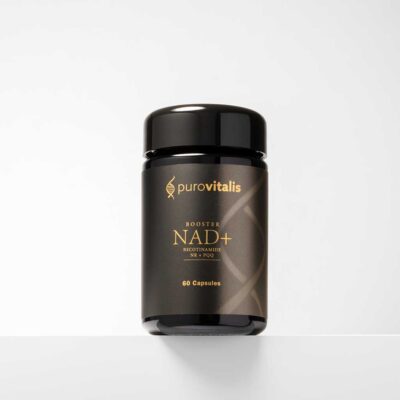
Boost Your NAD Levels Now
Discover our premium NAD+ booster and enhance your vitality.

Track 50+ health metrics with AI-powered accuracy. Start your free trial today and take control of your wellness journey!
Share:


 English
 Dutch
Dutch German
 French
 Spanish
 Romanian
 Danish
 Italian